
Water System Guide
Check Valve vs. Foot Valve: Which One Do You Need?
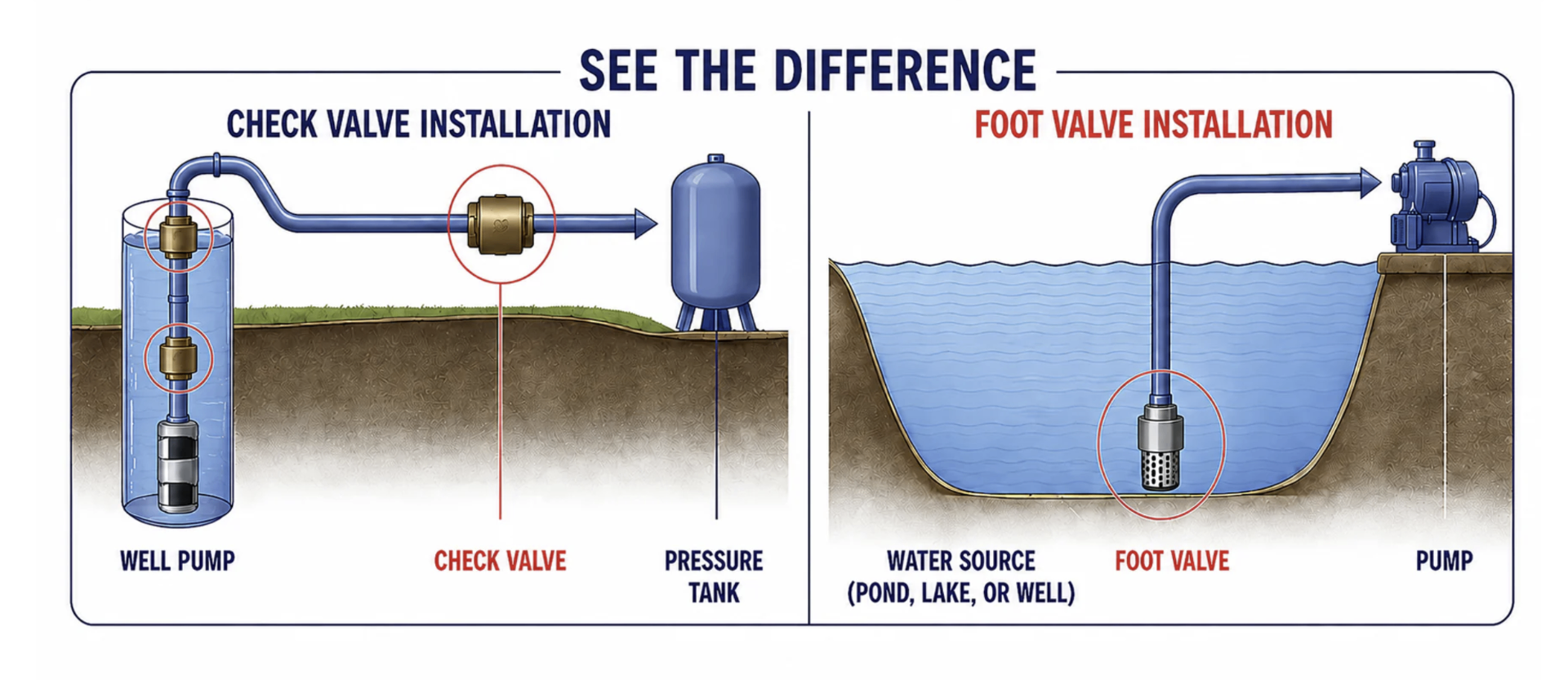
A foot valve is installed at the water source and includes a screen to help keep out debris. A check valve is installed on the discharge side of the pump to prevent backflow.
Answer 3 Questions. Find Your Valve.
Question 1
Where will the valve go?
Question 2
Do you need a screen to block debris?
Question 3
What type of pump do you have?
Choose Your Valve
Two valves, two very different jobs.
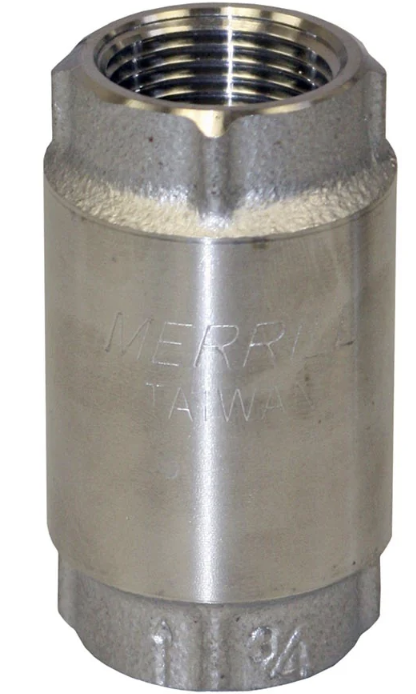
Check Valve
Installed in the water line to prevent reverse flow.
Best for
Submersible pumps, booster pumps and discharge lines.
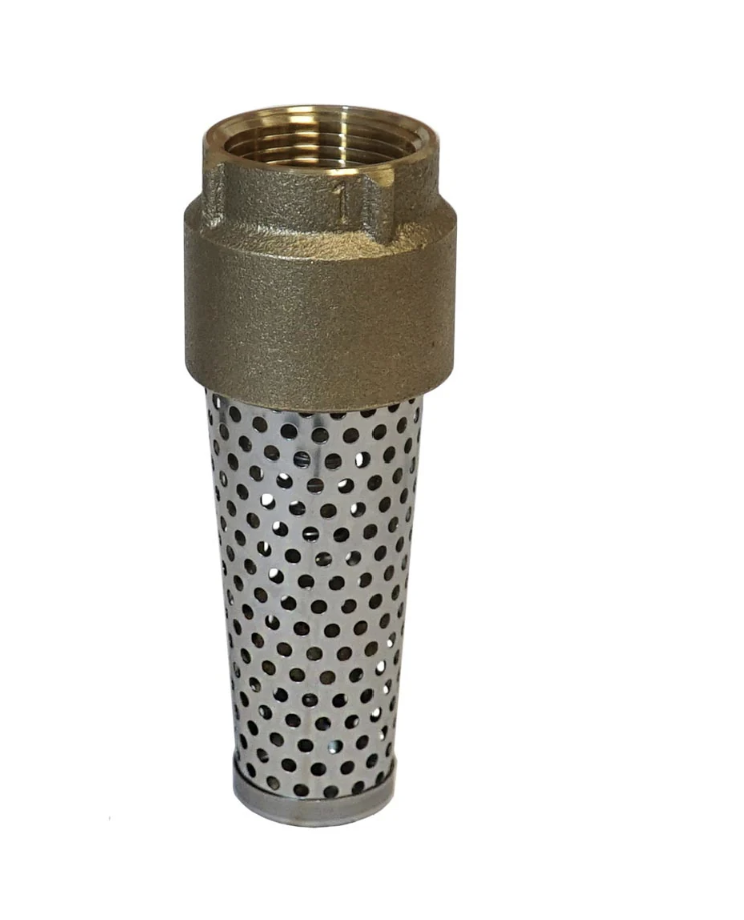
Foot Valve
Installed at the water source to hold prime and screen debris.
Best for
Above-ground pumps, suction lines, ponds and cisterns.
What Size Valve Do You Need?
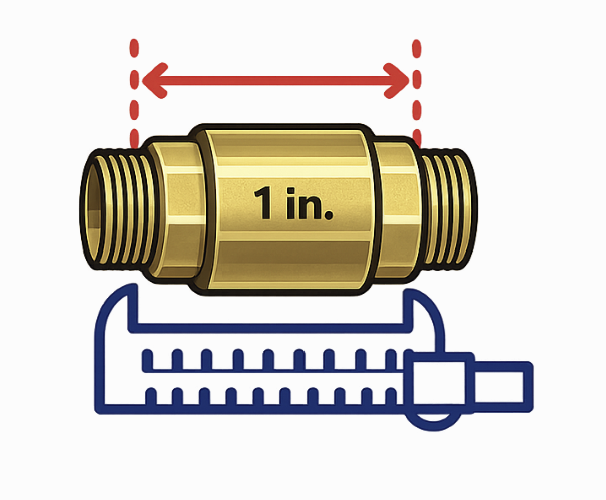
Match the Valve to Your Pipe Size
Before ordering, confirm these three things:
Pipe size
Measure the outside diameter of your pipe or check existing fitting markings.
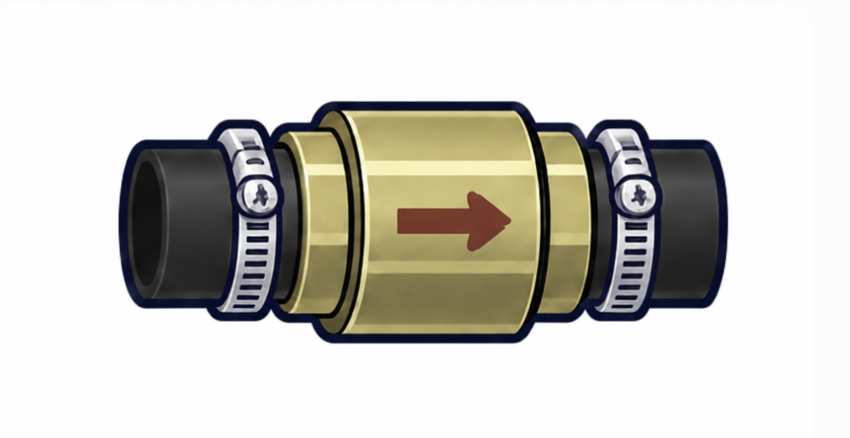
Connection type
Confirm whether your system uses threaded, insert or union connections.
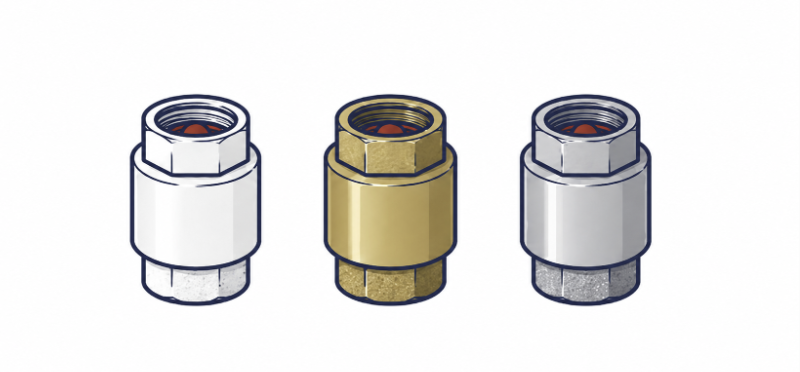
Valve material
Match polymer, brass/bronze or stainless steel to your water conditions.
Check your existing valve or pipe markings when you are unsure of the size.
Shop Valves by SizeWhich Material Should You Choose?
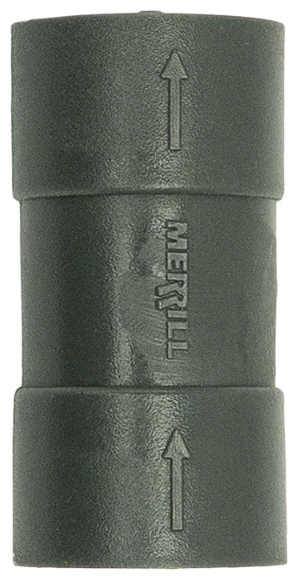
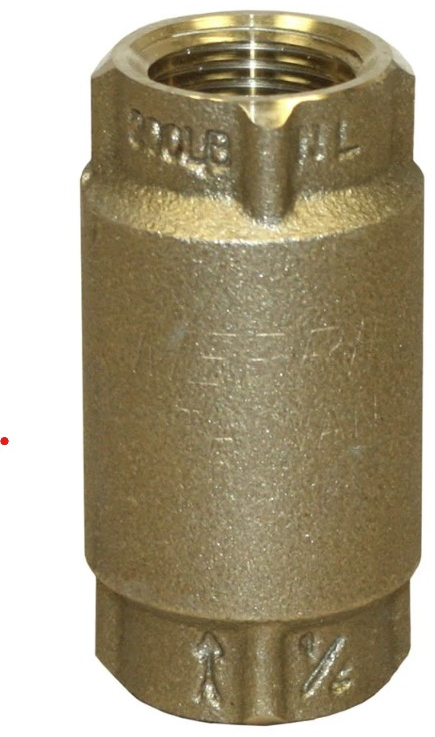
Stainless Steel
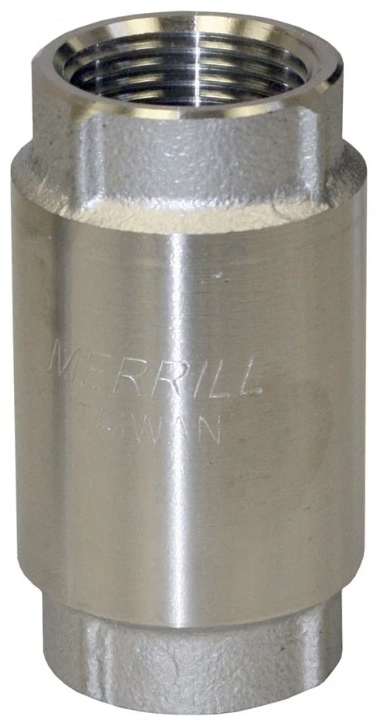
- ·Strong corrosion resistance
- ·Durable metal construction
- ·Built for demanding water conditions
Choose material based on water conditions, system requirements and local codes.
Common Check Valve and Foot Valve Questions
What is the difference between a check valve and a foot valve?+
A check valve installs in the water line to prevent reverse flow. A foot valve installs underwater at the end of a suction pipe, holds prime and includes a screen to block debris. Both stop backflow, but only the foot valve is designed to sit at the water source.
Is a foot valve a type of check valve?+
Yes. A foot valve is a check valve with a built-in screen, designed to sit submerged at the water source. It performs the same one-way flow function as a check valve while also filtering debris and helping the pump hold prime.
Why does my pump keep losing prime?+
A worn or missing foot valve is the most common cause of a jet pump that loses prime. Without a working foot valve, water drains back down the suction pipe between cycles and the pump has to re-prime each time. Inspect the foot valve first, then check for leaks in the suction line.
Can I use a check valve instead of a foot valve?+
Usually no. A check valve does not include a screen and is not built to sit submerged at the water source. For an above-ground jet pump drawing from a well, pond or cistern, use a foot valve so the pump can hold prime and stay free of debris.
What size check valve do I need?+
Match the valve size to the pipe it connects to. Most residential systems use 1 in. or 1-1/4 in. connections. Confirm the pipe outside diameter and connection type before ordering.
Should I choose polymer, brass or stainless steel?+
Choose based on water conditions and local code. Brass or bronze is the everyday standard with no-lead options for potable water. Stainless steel suits harsh or corrosive water. Polymer is lightweight and economical for less demanding installations.
Ready to Find the Right Valve?
Choose your valve type, confirm your pipe size and select the material that fits your water system.
Water well system products from Merrill Manufacturing since 1949.